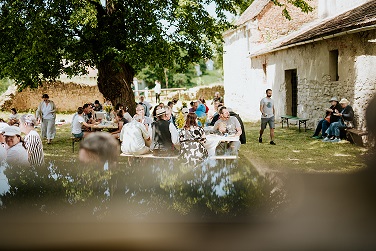
The Fortified Churches Foundation of the Evangelical Church in Romania (EKR) was also present at the large Saxon Gathering in Șona/Schoenau, offering several activities aimed especially at young people and families. The programme included three different formats through which participants could discover the fortified church and its cultural landscape from different perspectives.
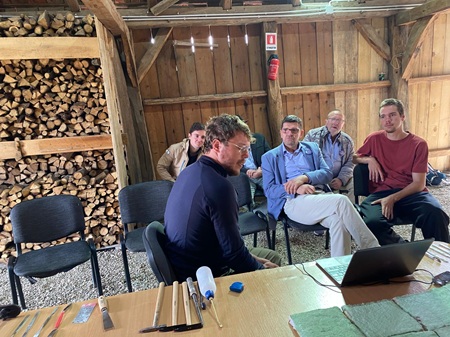
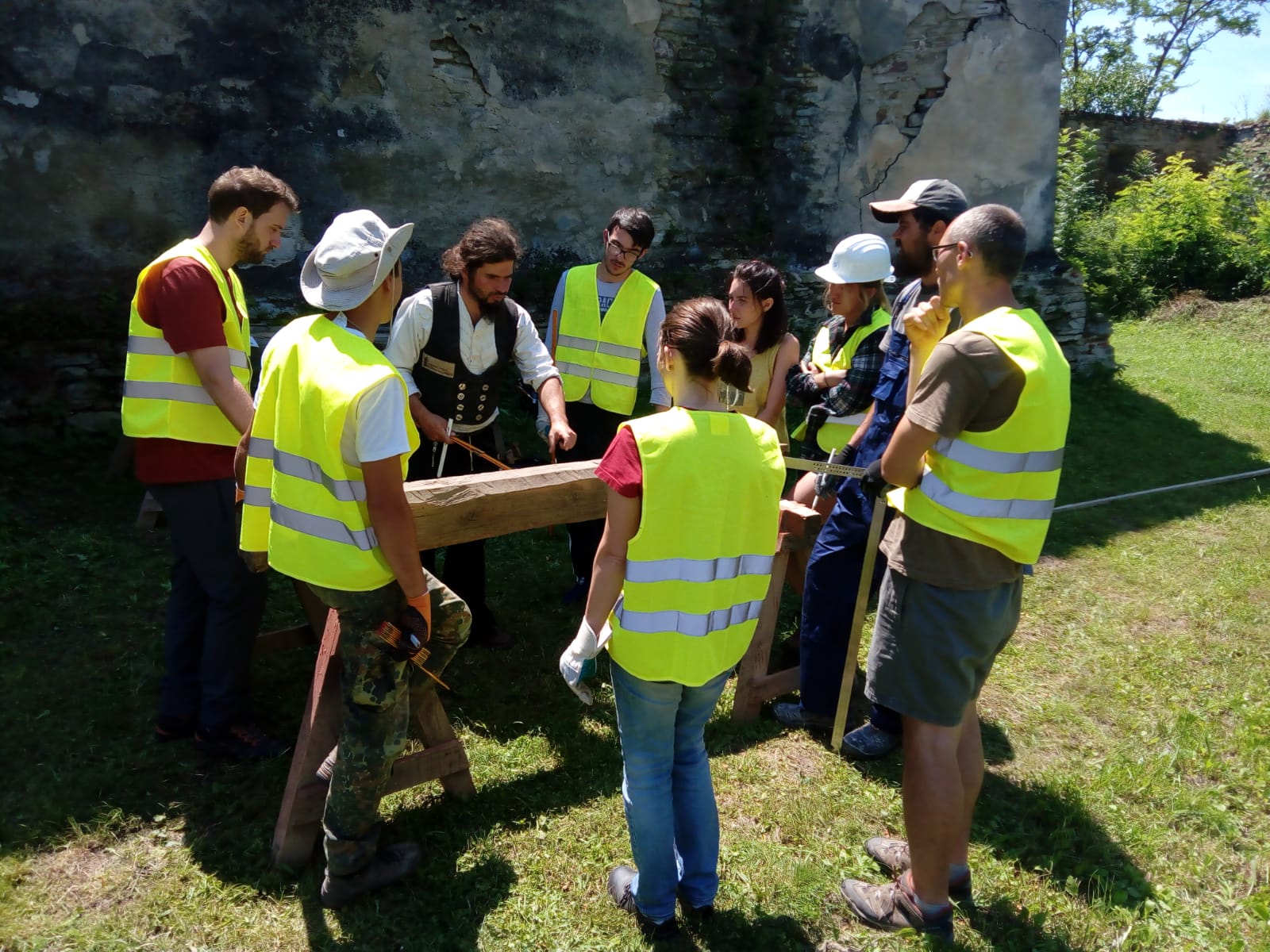
One of these was the workshop “How Do I Restore a Historic House Wall?”, organised with the support of the Association for Vernacular Architecture from Sibiu, an organisation committed to preserving local traditional building practices.
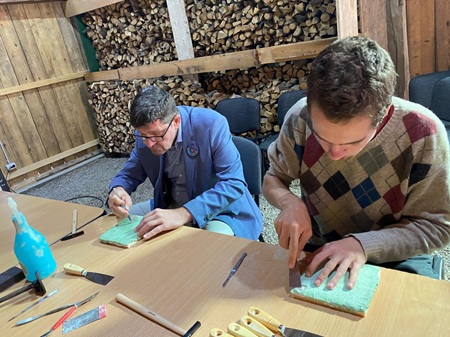
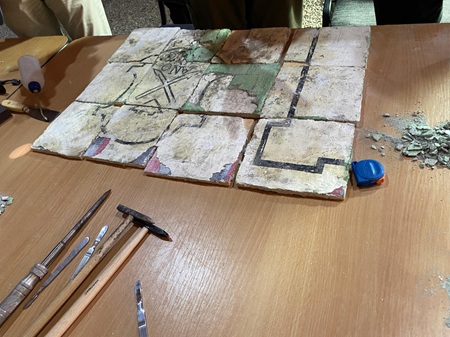
Young architects working alongside conservator Tudor Coman first introduced participants to the topic from a theoretical perspective. Using numerous images of Saxon houses, they demonstrated how building techniques changed over the centuries. In the second part, participants had the opportunity to become restorers themselves.
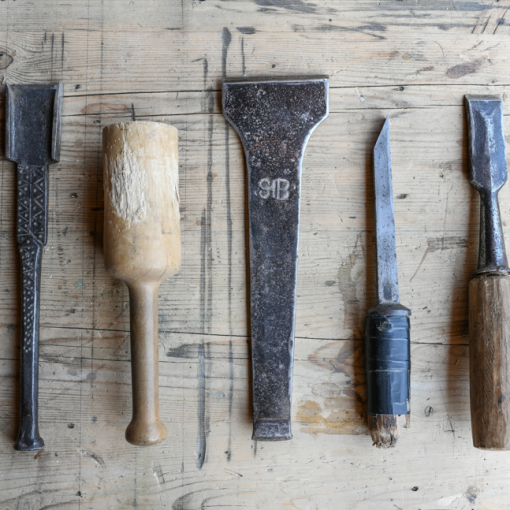
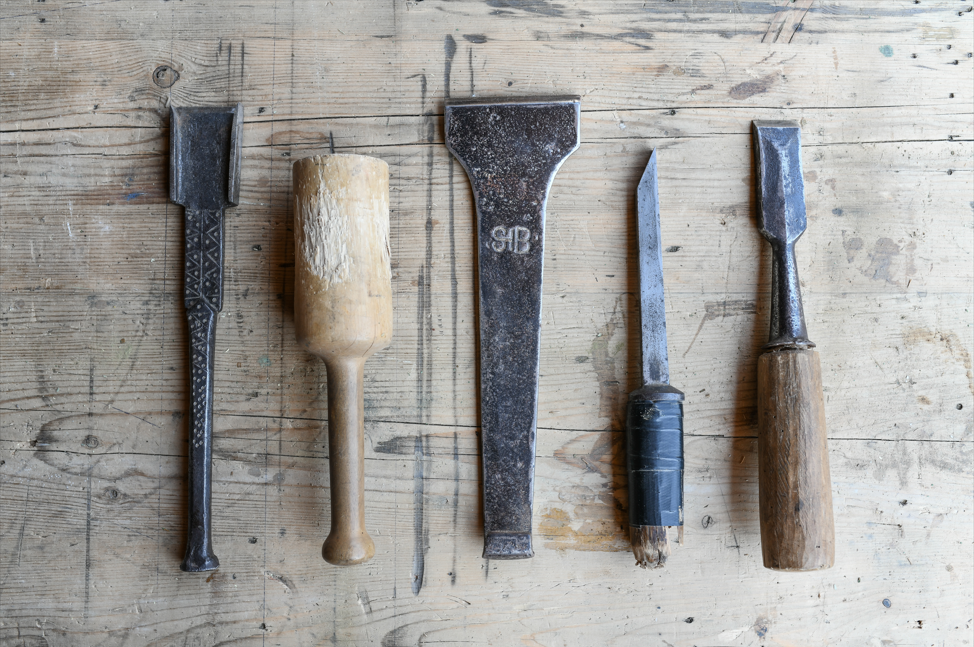
Conservator Coman and his colleagues had prepared several tiles for the workshop. The task was to carefully remove four layers of plaster and paint using different tools and a great deal of precision. The participants were thus able to experience how much patience and skill such work requires: removing plaster and paint centimetre by centimetre in order not to damage potentially valuable frescoes on an interior or exterior wall, or even to uncover an interesting inscription dating from an early period.
As is often the case with such workshops, the morning also gave rise to conversations about the participants’ personal and professional backgrounds, alongside the technical discussions. It was certainly a format worth repeating. We would also like to thank the young Romanian restorers who are dedicating so much passion and commitment to the preservation of historic houses in Transylvania.
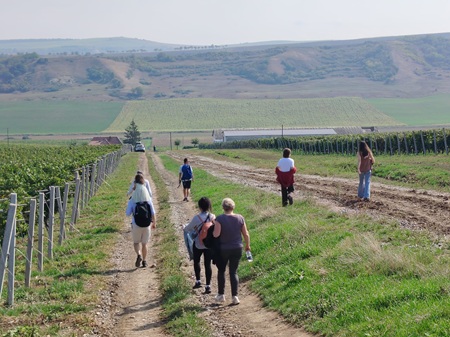
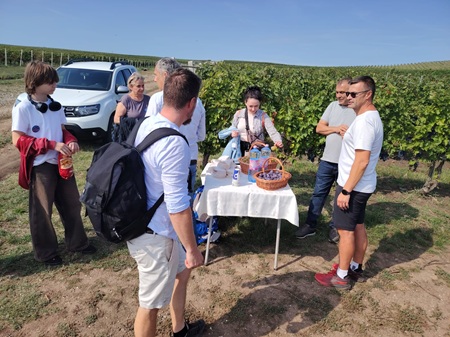
At 11 a.m., Cristian Cismaru, Director of the Fortified Churches Foundation, invited participants on a hike through the vineyards around Jidvei/Șona. The Târnava region has been known as a wine-growing area for centuries, and viticulture has strongly shaped its landscape and identity. The aim of the hike was to experience the cultural landscape surrounding the fortified church of Șona not only from the village, but directly from the vineyards, while learning more about its history.
Nine participants set off on a route of approximately 5.5 kilometres, with around 100 metres of elevation gain. In the middle of the vineyards, engineer Florin Lazăr spoke about the grape varieties cultivated here, the region’s winemaking tradition and the current challenges posed by climate change, which Jidvei, the region’s largest wine producer, is having to address.
After around three hours of relaxed hiking, the route concluded with a special view of the fortified church of Șona: seen from the vineyards, it appeared embedded within the village and the wide floodplain landscape of the Târnava River. The hike thus provided a vivid illustration of the fact that the fortified church cannot be understood as an isolated monument, but rather as part of a cultural landscape shaped over many centuries.
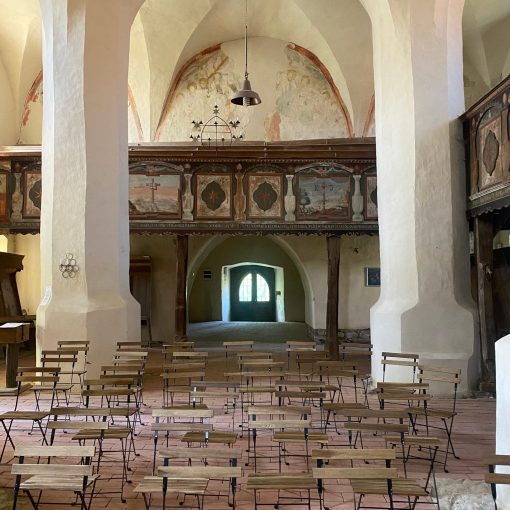
At the same time, families and children had the opportunity to discover the fortified church in a playful way. During an architecture quiz, participants followed a short discovery trail through the church and churchyard. They had to identify particular architectural details, look more closely and solve small challenges. At the same time, the quiz introduced them to interesting aspects of Transylvanian Saxon culture and the history of the place.
In this way, Saturday’s programme brought together practical heritage conservation, movement through the cultural landscape and playful learning – three different approaches to discovering the fortified church of Șona and its cultural surroundings in new ways.
Authors: Cristian Cismaru / Hans Königes